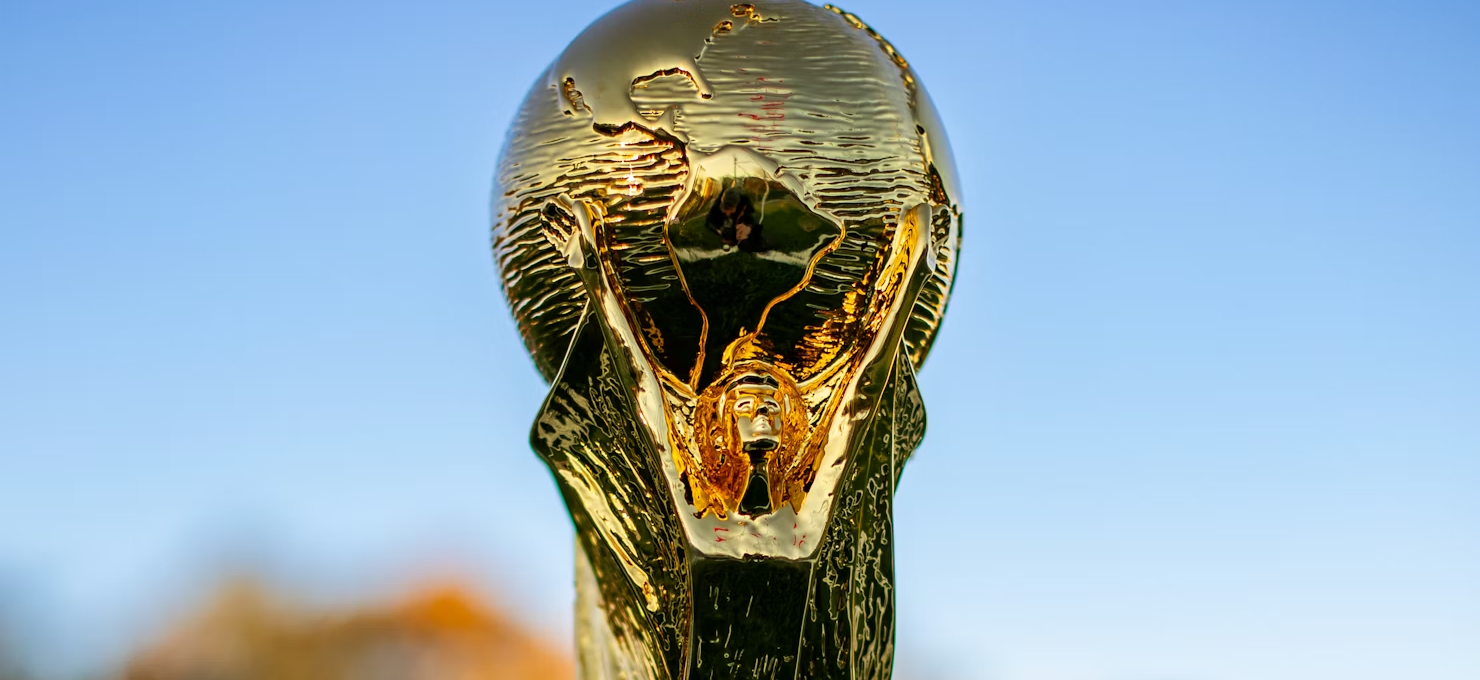
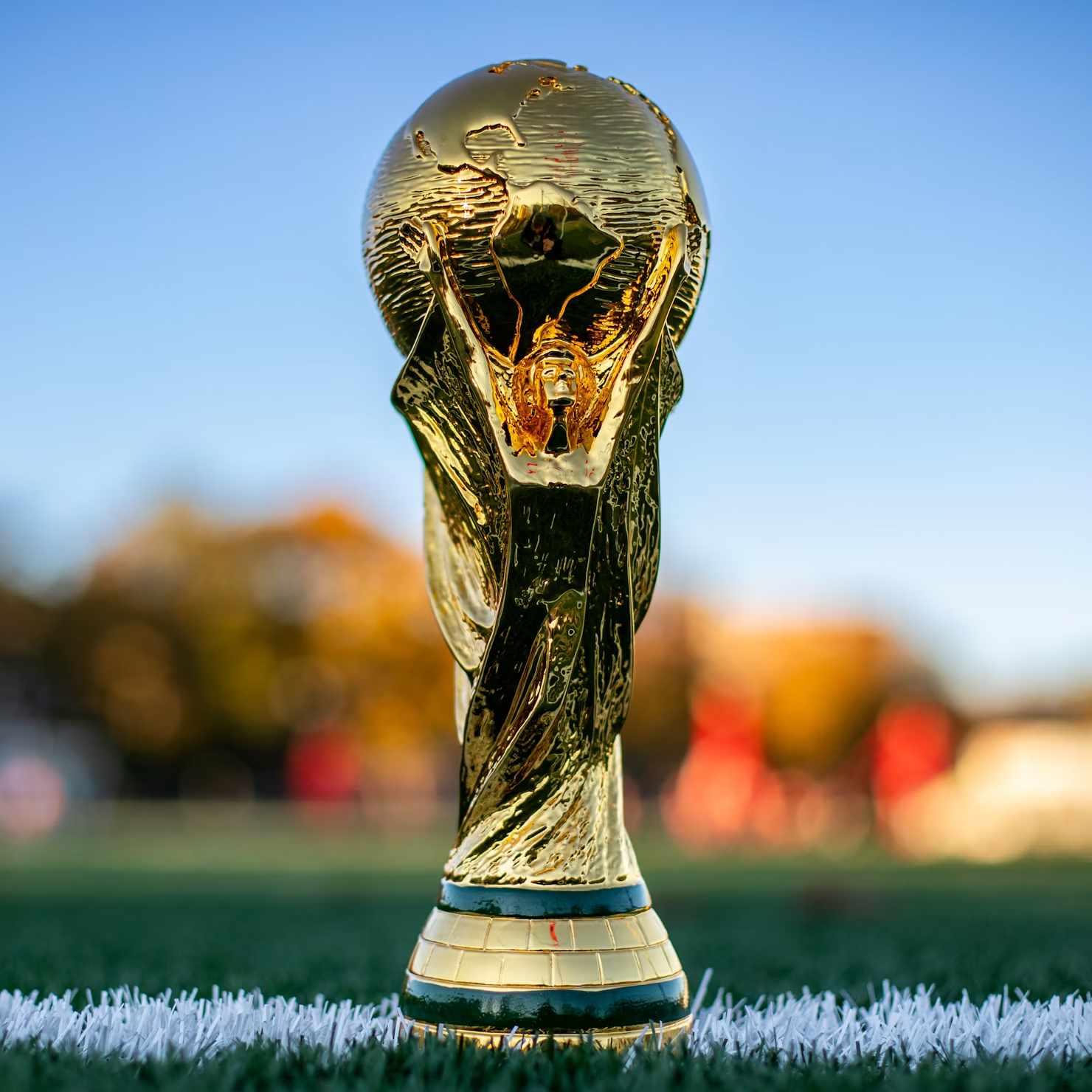
 Du point de vue des métaux précieux, ce trophée est remarquable. Bien qu’il pèse plus de 6 kilogrammes, ce poids n’est pas entièrement constitué d’or massif ; l’intérieur est en partie creux. Malgré tout, la quantité d’or utilisée est considérable, et sa valeur intrinsèque suffirait à elle seule à le classer parmi les trophées les plus précieux du monde sportif. Cependant, sa véritable valeur dépasse de loin le cours de l’or sur le marché : il revêt une immense importance culturelle et symbolique qui ne peut être quantifiée.
Il est intéressant de noter que le trophée remis à l’équipe gagnante n’est pas celui qu’elle conserve pour toujours. L’original reste sous la garde de la FIFA, tandis que les champions reçoivent une réplique plaquée or qu’ils peuvent garder. Cette pratique préserve l’intégrité et la sécurité de la pièce originale, garantissant qu’elle pourra être exposée lors de futurs tournois et expositions sans aucun risque.
L’utilisation de l’or dans le trophée de la Coupe du monde souligne l’association durable de ce métal avec la réussite, le prestige et l’excellence. À travers les civilisations et les siècles, l’or a été utilisé pour commémorer les victoires et honorer la grandeur. Sa résistance au ternissement et à la corrosion en fait un matériau idéal pour un objet destiné à symboliser une gloire intemporelle.
Pour les acteurs du secteur des métaux précieux, le trophée de la Coupe du monde offre une rencontre unique entre l’art et la valeur matérielle. Il rappelle que l’or est bien plus qu’un simple investissement : c’est un vecteur à travers lequel les accomplissements humains sont célébrés et immortalisés. Que ce soit sous forme de lingots, de pièces de monnaie ou de créations emblématiques comme ce trophée, l’or continue de fasciner et d’inspirer.
À chaque fois qu’un tournoi s’achève et qu’un nouveau champion brandit le trophée, le monde se rappelle non seulement l’apogée de la réussite sportive, mais aussi l’attrait intemporel de l’or. À cet instant, l’éclat du métal reflète celui de l’exploit, créant une image dont la résonance dépasse largement les limites du terrain.
Allez-vous suivre la Coupe du monde 2026 ? N’hésitez pas à vous rendre dans l’une des agences Canada Gold à travers le pays pour obtenir une estimation sans engagement de vos métaux précieux, même s’ils ne se présentent pas sous la forme d’un trophée.
Du point de vue des métaux précieux, ce trophée est remarquable. Bien qu’il pèse plus de 6 kilogrammes, ce poids n’est pas entièrement constitué d’or massif ; l’intérieur est en partie creux. Malgré tout, la quantité d’or utilisée est considérable, et sa valeur intrinsèque suffirait à elle seule à le classer parmi les trophées les plus précieux du monde sportif. Cependant, sa véritable valeur dépasse de loin le cours de l’or sur le marché : il revêt une immense importance culturelle et symbolique qui ne peut être quantifiée.
Il est intéressant de noter que le trophée remis à l’équipe gagnante n’est pas celui qu’elle conserve pour toujours. L’original reste sous la garde de la FIFA, tandis que les champions reçoivent une réplique plaquée or qu’ils peuvent garder. Cette pratique préserve l’intégrité et la sécurité de la pièce originale, garantissant qu’elle pourra être exposée lors de futurs tournois et expositions sans aucun risque.
L’utilisation de l’or dans le trophée de la Coupe du monde souligne l’association durable de ce métal avec la réussite, le prestige et l’excellence. À travers les civilisations et les siècles, l’or a été utilisé pour commémorer les victoires et honorer la grandeur. Sa résistance au ternissement et à la corrosion en fait un matériau idéal pour un objet destiné à symboliser une gloire intemporelle.
Pour les acteurs du secteur des métaux précieux, le trophée de la Coupe du monde offre une rencontre unique entre l’art et la valeur matérielle. Il rappelle que l’or est bien plus qu’un simple investissement : c’est un vecteur à travers lequel les accomplissements humains sont célébrés et immortalisés. Que ce soit sous forme de lingots, de pièces de monnaie ou de créations emblématiques comme ce trophée, l’or continue de fasciner et d’inspirer.
À chaque fois qu’un tournoi s’achève et qu’un nouveau champion brandit le trophée, le monde se rappelle non seulement l’apogée de la réussite sportive, mais aussi l’attrait intemporel de l’or. À cet instant, l’éclat du métal reflète celui de l’exploit, créant une image dont la résonance dépasse largement les limites du terrain.
Allez-vous suivre la Coupe du monde 2026 ? N’hésitez pas à vous rendre dans l’une des agences Canada Gold à travers le pays pour obtenir une estimation sans engagement de vos métaux précieux, même s’ils ne se présentent pas sous la forme d’un trophée.
Renforcer la confiance dans les métaux précieux : retour sur l'année de croissance de Canada Gold
Canada Gold a toujours estimé que l'achat et la vente de métaux précieux devaient être une expérience transparente, respectueuse et enrichissante. Au cours de l'année écoulée, cette philosophie a continué à guider la croissance de l'entreprise, qu'il s'agisse de l'ouverture de nouveaux points de vente ou du développement de services numériques, jusqu'à...
![[Ended] Welcome Autumn with Our “Fall for Silver” Giveaway!](https://canadagold.ca/wp-content/uploads/2026/09/Hero-Banner-scaled.png)