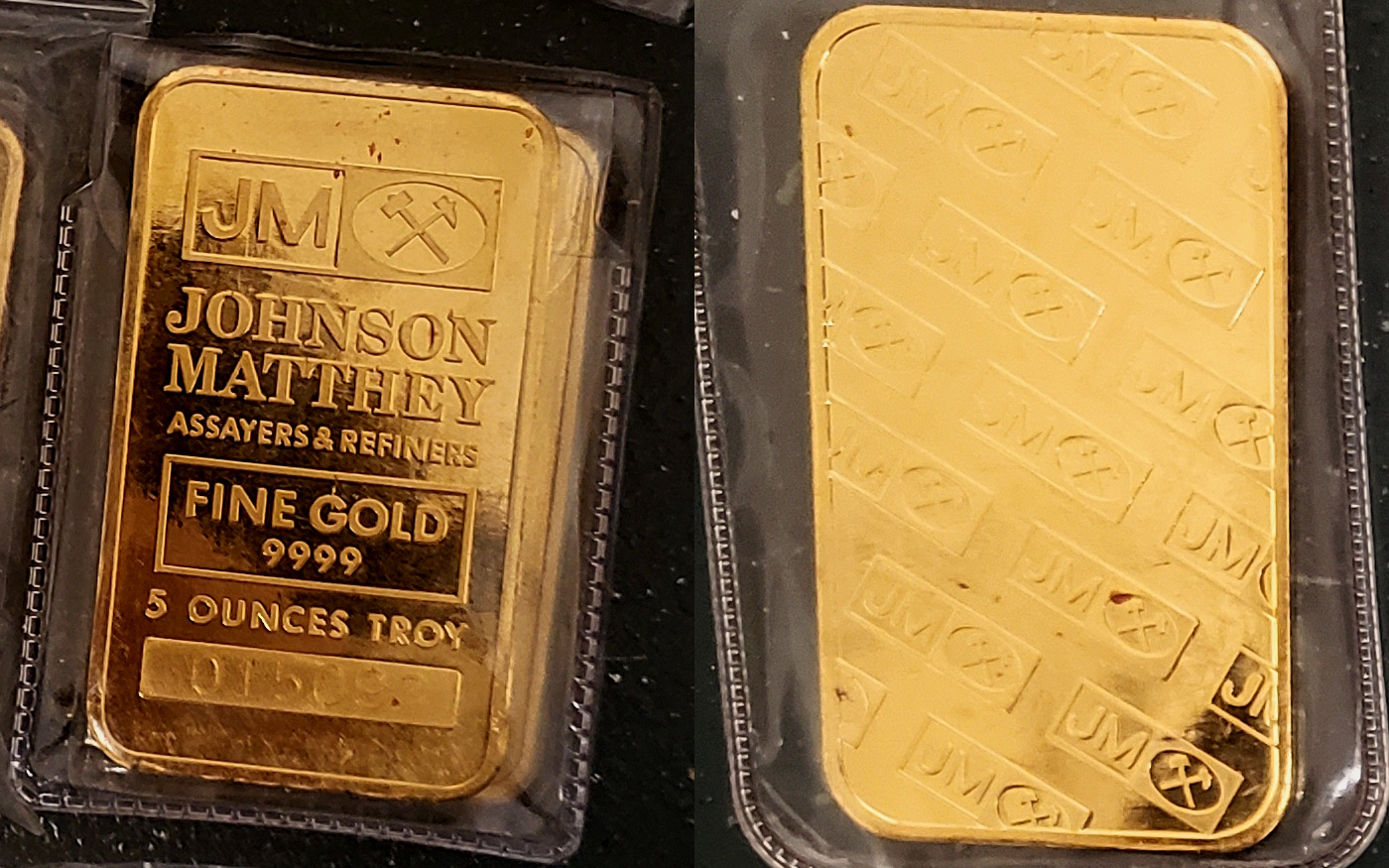
Imagine opening a protective case to admire your gold coin and discovering a tiny reddish-brown spot on its surface.
That’s not what you expected from gold, a metal famous for keeping its brilliant appearance over thousands of years!
It’s a reasonable thing to wonder about. Could the coin be damaged? Was something overlooked during manufacturing? Is it even real gold?
The answer may surprise you: even genuine, high-purity gold bullion can develop unusual spots or surface marks. Understanding why starts with a little chemistry and a closer look at how gold coins are made.
The Curious Case of the Red Spot
One of the more recognizable cosmetic features of gold bullion is a tiny red, orange or brownish mark. These are commonly called copper spots or red spots.
Gold itself is remarkably resistant to corrosion. Copper, however, is much more reactive.
Some gold coins contain copper intentionally as part of their metal composition. Others, including 99.99% pure gold bullion, may contain extremely small traces of other metals or contaminants.
When reactive material is present at the surface, it can sometimes produce localized discolouration.
The coin-grading experts have noted copper spotting on gold coins, explaining that concentrations of copper can create reddish spots or streaks.
In high-purity gold bullion, possible explanations also include trace impurities or particles introduced during manufacturing.
The key distinction? A surface spot isn’t necessarily a sign that the gold itself has deteriorated.
But isn’t Gold Supposed to Be Tarnish-Proof?
Essentially, yes, at least when we’re talking about pure gold under normal storage conditions.
Gold is a noble metal, meaning it resists many of the chemical reactions that cause other metals to corrode.
Silver readily develops tarnish. Copper can darken or form a patina. Pure gold, by comparison, remains remarkably stable.
The Royal Mint confirms in its bullion care guidance that gold doesn’t normally corrode or tarnish.
So when we see discolouration on gold bullion, we’re often looking at a reaction involving another material, rather than the gold itself.
That’s an important difference from the natural toning commonly seen on silver bullion.
Not All Gold Is the Same Colour
Here’s another interesting detail: two authentic gold coins can have different shades of yellow, even when both contain exactly one troy ounce of gold.
Why? Because gold bullion comes in different purities and compositions.
| Gold product | Composition | Typical appearance |
| Canadian Gold Maple Leaf | 99.99% gold | Rich yellow |
| American Gold Eagle | 91.67% gold | Yellow with a warmer tone |
| Traditional 22K gold Sovereign | 91.67% gold | Varies from yellow to reddish depending on the alloy |
The Royal Canadian Mint produces Gold Maple Leaf bullion coins with 99.99% purity.
Other coins contain alloying metals, such as copper or silver, which can affect their colour and durability.
The Royal Mint has even documented how the colour of gold Sovereigns has changed over time as their alloy composition evolved.
Colour alone, therefore, is not a reliable way to determine a gold coin’s purity or authenticity.
A Spot, a Scratch or Something Else?
Not every unusual mark on gold bullion has the same explanation.
Reddish-brown dots: May be associated with copper or other trace materials reacting at the surface.
Fine scratches or contact marks: Gold is relatively soft, especially at high purity. Handling, contact with other objects or friction against packaging can leave visible marks.
Differences in finish: Cast bars and minted bars can have very different surface textures. A cast gold bar may have a less uniform appearance than a precisely struck bullion coin.
Unexpected colour: The coin’s alloy, manufacturing process or surface condition may influence its appearance.
None of these observations, on their own, establishes whether a product is genuine. Authentication requires appropriate testing and examination.
What Should You Do If You Notice a Mark?
Before reaching for a polishing cloth, consider these simple steps:
- Leave the surface alone. Avoid rubbing, polishing or attempting to remove the mark.
- Keep protective packaging intact. Original packaging can help protect a product’s finish and may matter to some buyers.
- Check the product specifications. Confirm the expected purity and composition for your particular coin or bar.
- Ask an expert if you’re uncertain. A Precious Metals Analyst can help you understand the product and assess whether further examination is appropriate.
The Royal Canadian Mint’s coin care recommendations are particularly clear about cleaning:
“Even wiping coins with a soft cloth may damage their finish and drastically reduce their value.”
A small spot may be cosmetic, but scratches or other damage from cleaning can be permanent.
What About Resale Value?
When evaluating investment-grade gold bullion, precious metals dealers consider factors such as authenticity, weight, purity and current gold market prices.
A minor red spot does not change the quantity of gold contained in a coin.
However, appearance can still influence the premium a buyer is willing to pay, particularly for collectible coins, graded products or items marketed in pristine condition.
This distinction matters: the gold content may remain unchanged even when a product’s resale premium changes.
For anyone purchasing bullion primarily for its precious metal content, understanding this difference can help put minor cosmetic imperfections into perspective.
Gold Has Character, Too
Gold has earned its reputation for lasting beauty, but that doesn’t mean every gold bar or coin will look identical forever.
From tiny copper-coloured spots to differences in finish and alloy colour, there are several reasons genuine bullion might look a little different from what you expected.
Curious about a gold coin or bar you own? The team at Canada Gold is happy to answer questions about precious metal purity, bullion products and the characteristics that can influence value.
And if you’ve ever wondered why silver develops such dramatic rainbow colours while gold generally doesn’t, explore our companion article about silver tarnishing, toning and milk spots.